Basics
Fertilizer for Balcony Herbs
Container herbs need some nutrition over time, but heavy feeding is rarely the answer. The goal is steady, healthy growth without forcing weak, lush stems.
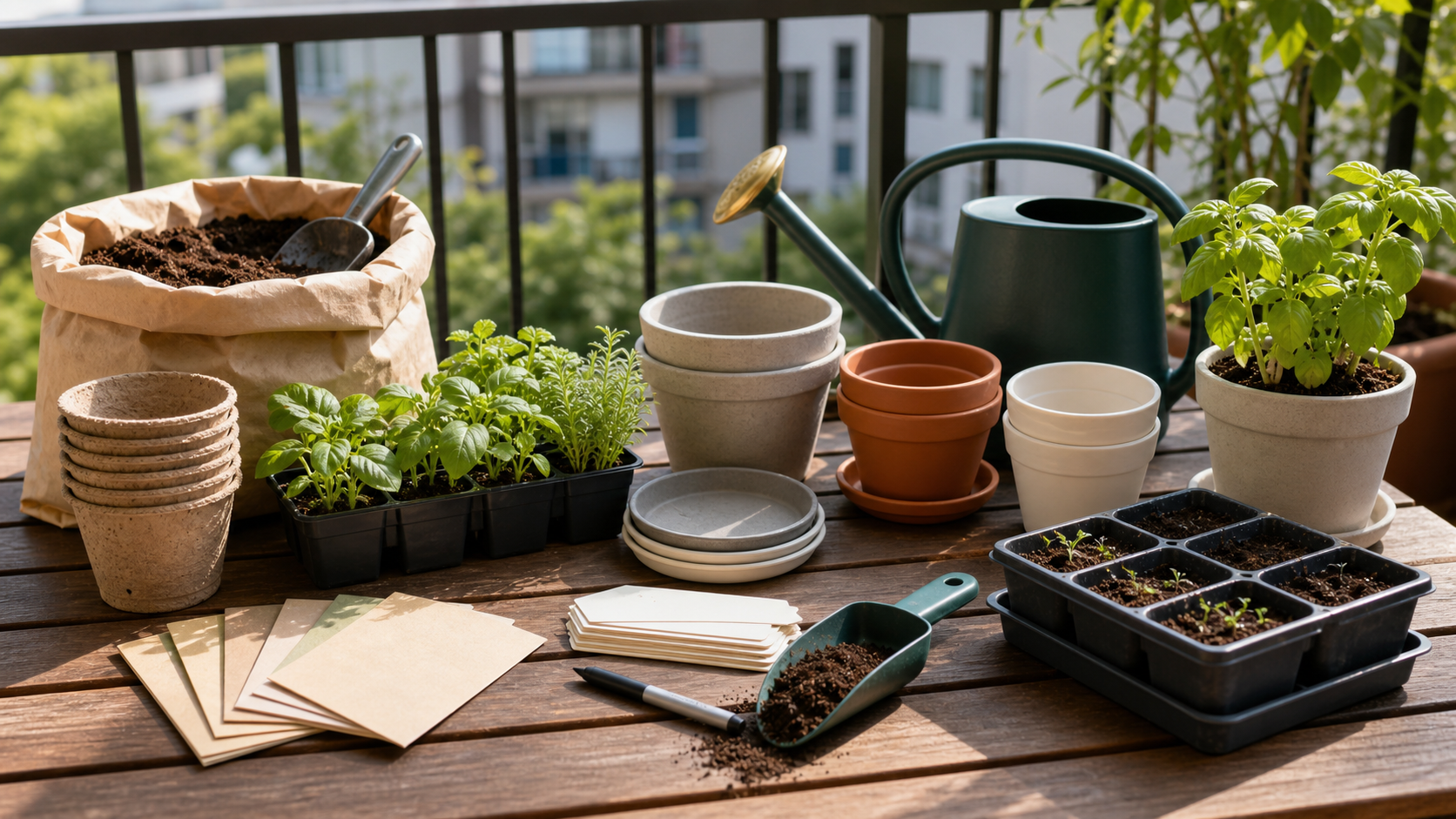
Start with fresh potting mix
Many potting mixes include enough starter nutrition for early growth. Read the bag before adding more fertilizer.
Feed leafy herbs lightly
Basil, parsley, cilantro, mint, and chives may benefit from light feeding during active growth. Follow product rates and avoid overdoing it.
Feed woody herbs less
Rosemary, thyme, oregano, sage, and lavender often perform better with leaner care. Too much fertilizer can reduce compact growth.
Quick checklist
- Read potting mix label
- Feed only during active growth
- Use light rates
- Avoid heavy feeding for lavender and rosemary
- Flush salts if containers show buildup
Balcony fit check
Before buying more supplies, test this advice against the balcony you actually have. For fertilizer for balcony herbs, check Read potting mix label and Feed only during active growth, then look closely at start with fresh potting mix. That pass usually shows whether the next fix is better placement, a different pot, a simpler plant list, or a watering change. If you are still planning the whole setup, start with the balcony herb garden beginner guide.
Before buying more plants or gear, confirm light, wind, walking space, runoff, and watering access. A smaller plan that is easy to reach often beats a crowded layout. Use the notes here to decide what belongs near the door, railing, shelf, or wall.
Make one change at a time and watch the plant for several days. If the setup still feels off after adjusting feed leafy herbs lightly, simplify before adding more gear. Balcony herbs usually respond faster to better light, steadier watering, and less crowding than to extra products.
What to read next
If this topic matches your balcony, compare it with Container Soil for Herbs: What to Use and Avoid and Why Balcony Herbs Get Yellow Leaves . Then use the container herb planner if you need a quick potting mix estimate before buying containers or soil.
Pick the next page by the decision in front of you. The best herbs for balconies chart is useful when you are comparing plants by sun, pot size, watering, and difficulty. Use the printable sun and pot size chart, watering chart, and compatibility chart for quick setup checks. Related guides below are better when you already know the constraint you need to solve.
Save notes on what worked, especially sun hours, watering frequency, and container size. Those observations make the next herb choice easier and help you avoid repeating the same balcony constraint in a different pot.